
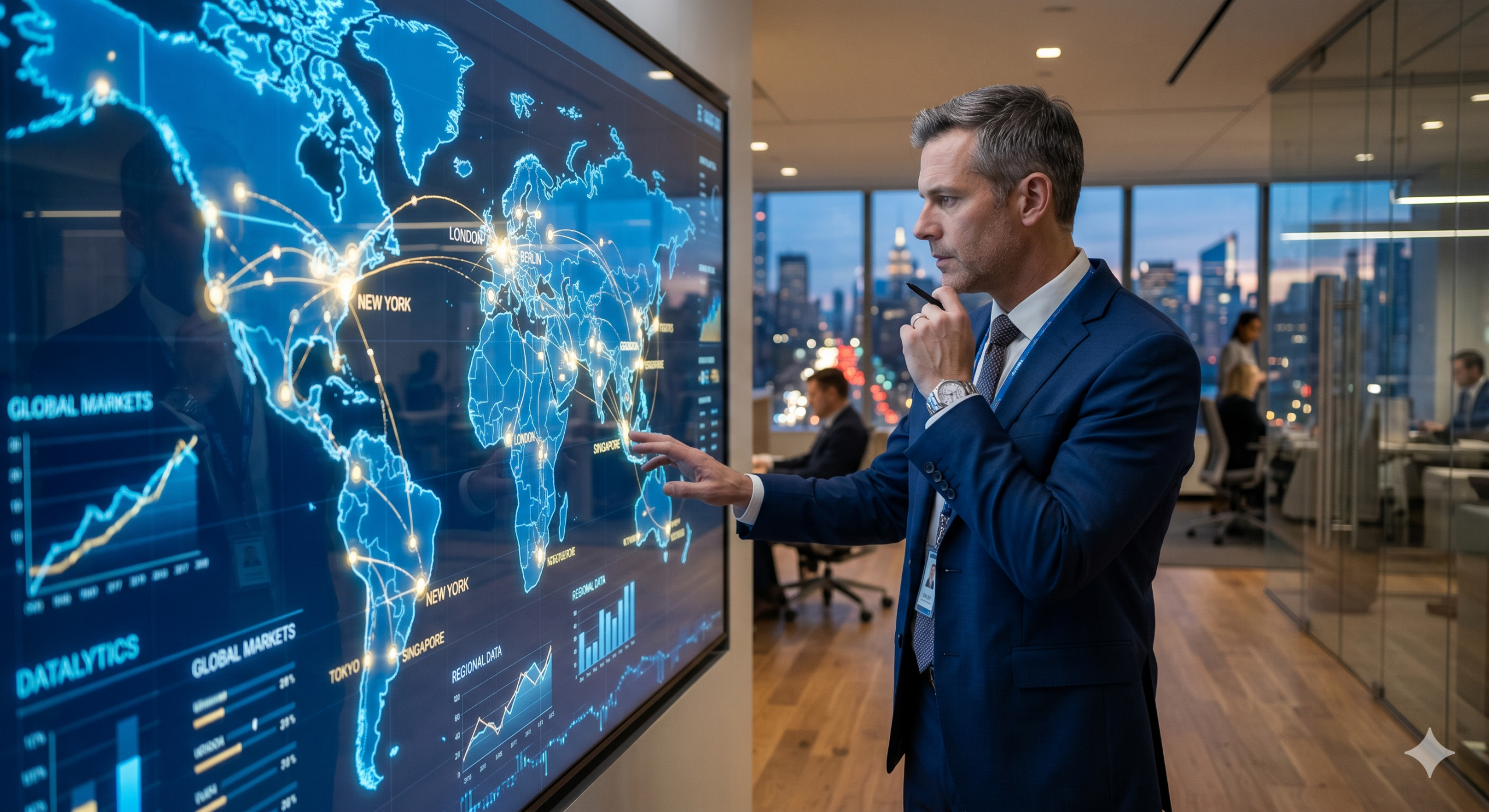
For decades, economic influence was largely determined by natural resources, manufacturing capacity, and geographic advantages. Today, a different force is helping shape the future: technology.
From artificial intelligence and automation to advanced computing and digital infrastructure, emerging technologies are changing how businesses operate, how countries compete, and how consumers interact with the world around them.
As innovation accelerates, organizations across industries are adapting to a rapidly evolving global environment.
The Rise of a Technology-Driven Economy
Technology is becoming a key driver of economic growth worldwide.
Many of today’s fastest-growing companies are built around software, data, cloud computing, and digital services. Businesses that successfully adopt new technologies often gain advantages in efficiency, productivity, and customer experience.
Areas attracting significant attention include:
- Artificial Intelligence (AI)
- Automation and Robotics
- Advanced Semiconductors
- Quantum Computing Research
- Renewable Energy Technologies
- Cybersecurity Solutions
- Digital Payment Systems
These sectors are influencing investment, innovation, and long-term economic planning across multiple regions.
Artificial Intelligence Is Expanding Across Industries
AI is no longer limited to research labs.
Today, AI-powered tools are being used in:
- Customer service
- Healthcare support systems
- Manufacturing operations
- Financial analysis
- Logistics and supply chain management
- Content creation
Organizations are increasingly exploring how AI can help streamline repetitive tasks and improve decision-making processes.
As adoption grows, businesses that embrace AI-driven solutions may discover new opportunities to increase efficiency and remain competitive.
Supply Chains Are Becoming Smarter
Recent years have highlighted the importance of resilient supply chains.
Advanced technologies are helping companies improve visibility across global operations through:
- Predictive analytics
- Real-time tracking systems
- Warehouse automation
- Smart inventory management
These tools can help organizations respond more quickly to changing market conditions while improving operational efficiency.
The result is a more connected and data-driven approach to global commerce.
Digital Infrastructure Is Creating New Opportunities
Reliable digital infrastructure has become essential for economic growth.
High-speed connectivity, cloud computing platforms, and secure data networks are enabling businesses of all sizes to reach customers around the world.
Small businesses can now access technologies that were once available only to large enterprises, creating new opportunities for growth and innovation.
As digital adoption continues to expand, access to technology is becoming a critical factor in business competitiveness.
The Growing Importance of Cybersecurity
As more services move online, protecting digital systems has become increasingly important.
Organizations are investing in cybersecurity technologies designed to help safeguard sensitive information and maintain business continuity.
This trend is creating demand for new solutions and specialized expertise across multiple sectors.
Cybersecurity is no longer viewed solely as an IT function—it has become a strategic business priority.
What This Means for Businesses and Consumers
The pace of technological change is creating both opportunities and challenges.
Businesses may need to:
- Continuously update skills and processes
- Evaluate emerging technologies
- Adapt to changing customer expectations
- Monitor industry developments
Consumers, meanwhile, are benefiting from increased convenience, improved digital services, and access to new tools that simplify everyday activities.
Looking Ahead
Technology continues to influence how economies grow, how industries evolve, and how organizations compete.
While predicting the future is never certain, one trend appears clear: innovation will likely remain a major force shaping the years ahead.
For business leaders, professionals, and individuals interested in understanding these changes, staying informed about technological developments may provide valuable insights into the evolving global landscape.
Source material on technology-driven shifts in trade, supply chains, and economic cooperation supports the broader trend toward increasingly interconnected global markets.
Disclaimer: This article is provided for informational and educational purposes only. It does not constitute financial, investment, legal, or professional advice. Readers should conduct their own research and consult qualified professionals before making business or financial decisions.